How Much Does a Personal Trainer Cost in Maribyrnong? 2026 Prices per Session, Package and Month
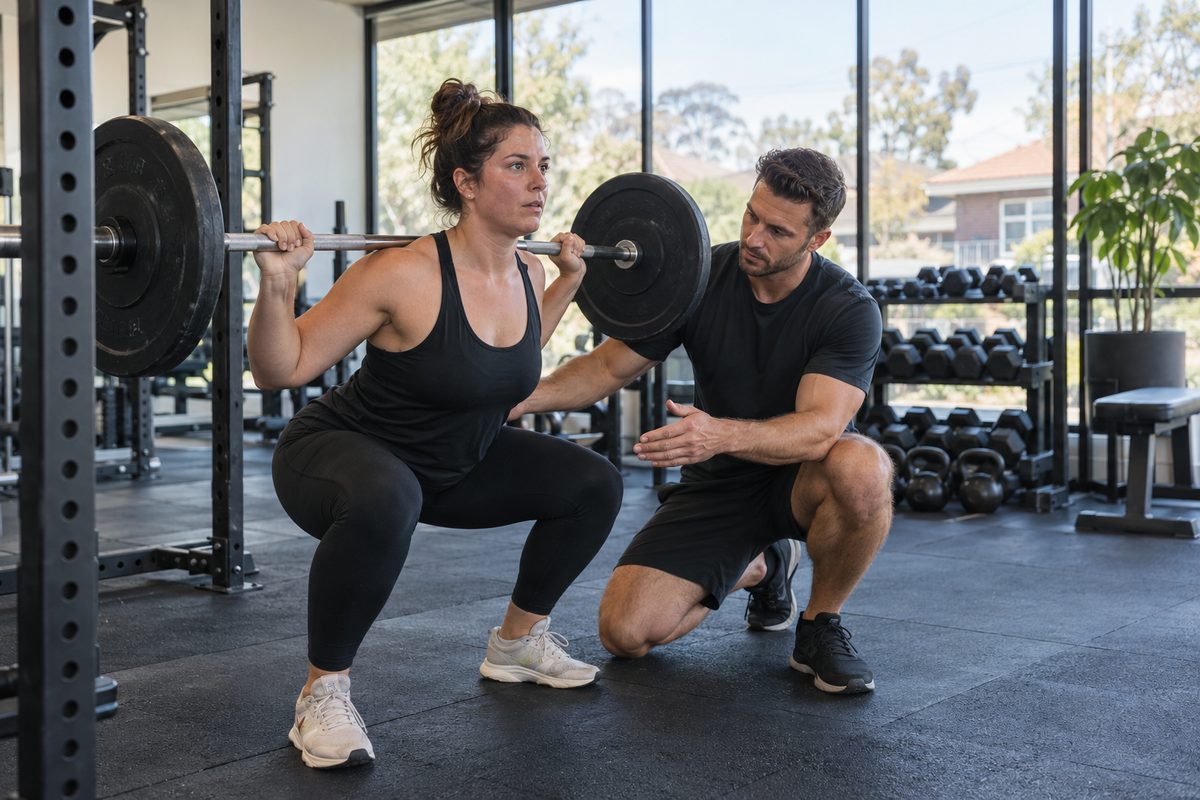
A personal trainer in Maribyrnong costs about $70 to $110 per one-hour session in 2026, $600 to $1,000 for a 10-session package, and $300 to $520 per month for weekly training. Small-group training drops the rate to $35 to $60 per person. Those ranges cover most trainers in Maribyrnong, Victoria, and they sit a little below inner Melbourne prices. Where you land inside the range depends on a few things you can check before you book.
This guide gives you the numbers first, then shows what moves them and how to read a quote. Use it to compare offers side by side.
What Is the Price per Session?
Most trainers charge by the session. Here is what I see across the western suburbs in 2026:
- 30-minute one-on-one session: $45 to $70
- 60-minute one-on-one session: $70 to $110
- Semi-private session with two or three people: $40 to $65 per person
- Small-group class of four to eight: $25 to $45 per person
- Online check-in or program review: $30 to $60
The hourly rate is the number to compare. A 30-minute session at $60 looks cheap until you see it works out to $120 an hour.
Pricing also changes with where you train. A trainer in a commercial gym often charges at the lower end, because the gym supplies the equipment. A private studio charges more because the trainer carries the rent. A trainer who comes to your home or a local park sits in the middle, and some add a travel fee if you live outside the suburb.
What Do Packages Cost?
Packages lower the per-session price in exchange for paying upfront. Typical 2026 figures:
- 5 sessions: $350 to $520
- 10 sessions: $600 to $1,000
- 20 sessions: $1,150 to $1,900
The discount is usually 5 to 15 percent. A trainer who charges $95 a session might sell ten for $850. You save $100 and commit to a start date and an expiry date.
Check the expiry. Many packages run out after 8 to 12 weeks. One of my clients bought 20 sessions on a big discount, then travelled for work and lost six of them. The discount did not cover the loss. If your schedule shifts often, a 10-session pack with a longer window beats a bigger pack with a short one.
How Much Is It per Month?
Monthly membership is the most common setup for people who train for a year or more. A month has about 4.3 weeks, so a trainer quotes a monthly fee that covers four or five sessions.
- 1 session a week: $300 to $520 per month
- 2 sessions a week: $560 to $950 per month
- 3 sessions a week: $800 to $1,350 per month
Most people pay by direct debit, either weekly, fortnightly or monthly. Direct debit keeps the cost steady and keeps you showing up, because the money leaves your account whether you train or not. That is a plus if you struggle with consistency. It is a trap if you do not read the cancellation terms.
Before you sign, ask three plain questions. What is the notice period? Do missed sessions roll over? Is there a fee to pause? A fair trainer answers all of these in one message.
Why Do Two Trainers Charge Such Different Rates?
Rate gaps come from qualifications, experience, location and what is included. Each one is checkable.
Qualifications
In Australia, a personal trainer needs a Certificate III in Fitness and a Certificate IV in Fitness to work in most gyms. Both sit inside the Australian Qualifications Framework, which means the course is nationally recognised and delivered by a registered provider. Ask to see the certificate and the current CPR and insurance details. A trainer with a degree in exercise science or a clinical background usually charges more, and the extra cost often buys safer programming for people with injuries.
Experience and specialty
A trainer with ten years behind them and a full client list charges more than someone in their first year. A specialist in pre- and post-natal training, strength sport or older adults also charges more. You pay for fewer mistakes. I know this because one of my clients came to me after a cheap block with a new trainer who pushed heavy overhead lifting on a sore shoulder. She lost two months to rehab. The cheap sessions cost her more in the end.
Session length and format
Longer sessions cost more, but the cost per minute usually falls. Shared sessions cost less per person but give you less of the trainer's attention. If you are new to lifting, one-on-one is worth it for the first 8 to 12 weeks, because technique habits form early.
What the price includes
Some quotes include a written program, messaging support between sessions and progress checks. Others charge only for the hour on the floor. A $90 session with a program and weekly check-ins can beat a $75 session with nothing else.
Do Gym Fees Come on Top?
Often yes. If a trainer works inside a commercial gym, you may need a membership as well, which runs about $15 to $25 a week in Melbourne. Some gyms charge trainers a floor fee, and the trainer passes it on in the rate. Ask the question directly: "Is my gym access included, or do I pay separately?"
Private studios and home trainers usually include equipment in the price. That can make a $100 studio session cheaper than a $75 gym session once you add the membership. Add both costs together before you compare.
When Does Exercise Physiology Cost Differently?
Exercise physiology is a different service from personal training. An accredited exercise physiologist holds a university degree and works with injury, chronic disease and pain. Sessions run about $90 to $150 in Melbourne.
The difference is rebates. Depending on your situation, an exercise physiologist may be covered through private health extras, NDIS funding, a chronic disease management plan from your GP or a workers' compensation claim. A regular personal trainer is not covered by Medicare.
If you have diabetes, a heart condition, persistent back pain or a recent surgery, ask your GP whether an exercise physiologist fits you better. Some trainers hold both skill sets. That can be a smart way to get one person who handles your program and your injury history.
Does Nutrition Coaching Add to the Cost?
It can. Trainers who include nutrition advice generally do it in one of two ways. General guidance on eating habits is often part of the monthly fee at no extra charge. A custom meal plan or macro targets is a separate service, usually $60 to $200 as a one-off or $80 to $200 a month for ongoing support.
Be careful with title and scope. Only registered dietitians and some qualified nutritionists can prescribe diets for medical conditions. A trainer can share general nutrition education. When one of my clients wanted to lose fat after a hard year, we kept it simple: protein at each meal, a walk after dinner and fewer liquid calories. It cost her nothing extra, and her body composition changed more from that than from adding a fourth session.
If a trainer sells you a $400 supplement bundle with your package, step back. Food does most of the work.
How Do You Measure Value Beyond the Price?
A cheap trainer who does not change your results costs more than an expensive one who does. Ask what progress looks like and how it gets measured. Good answers include strength numbers, tape measurements and photos, plus body composition scans if you want them. Scans typically cost $30 to $80 each and are useful every 8 to 12 weeks, not every week.
Value also shows up in how the trainer handles your first session. A good first session includes health screening, a movement check and a goal talk. A trainer who hands you a workout without asking about your history is saving time at your expense.
What Does a Realistic Budget Look Like?
Here are three real patterns from people I have worked with.
A desk worker who wanted to get strong trained once a week for an hour at $95. That was about $410 a month on direct debit, plus a $20 weekly gym membership. Total: roughly $490 a month. He did two solo sessions a week from the program I wrote, so he trained three times with one paid session.
A new mum trained twice a week in a semi-private session of three people at $55 each. That was about $475 a month. She liked the company, and the shared price made twice a week affordable.
A retiree with knee pain booked a 10-session pack with an exercise physiologist at $110 each, claimed part back through her health fund, and then moved to fortnightly sessions. Her out-of-pocket cost fell to under $200 a month.
None of them paid the top rate. All three matched the format to the goal.
How Can You Pay Less Without Losing Results?
You do not need to train three times a week with a trainer to get results. Most people progress well with one supervised session and two solo sessions. The trainer sets the plan and fixes your technique. You do the extra work yourself.
Other ways to lower the cost:
- Choose semi-private sessions if you can train with a friend or partner.
- Buy a pack only after a trial session or two, so you know the fit is right.
- Ask for a fortnightly rhythm once you know the program.
- Check whether your private health extras or employer wellness allowance cover any part of the cost.
What I found works best is a block structure. Train weekly for 12 weeks, then drop to fortnightly for 12 weeks while you run the program on your own. The cost halves and the habit stays.
What Red Flags Should You Watch For?
- A price that rises sharply once you are in the room.
- Pressure to pay for six months upfront on day one.
- No written terms for cancellations or missed sessions.
- A trainer who cannot show a qualification or insurance.
- Guarantees of a fixed weight loss in a fixed number of weeks.
Walk away from any of these. Good trainers are happy to put the terms in writing and let you think it over.
What Should You Do Next?
Pricing in Maribyrnong is easy to compare once you use the same yardstick. Do these four things this week:
- Decide your weekly budget. Between $70 and $120 covers one session a week plus extras for most people.
- Ask three local trainers for their hourly rate, package terms and monthly fee in writing.
- Confirm qualifications, insurance and whether gym access is included.
- Book one trial session and judge the trainer on how they assess you, not on how tired you feel afterwards.
Pick the trainer who is clear on price, clear on terms and clear on how they will measure your progress. That is the one worth paying for.