Gyms in Maribyrnong & Highpoint Compared (2026): Memberships, Prices and Where a Pt Fits In
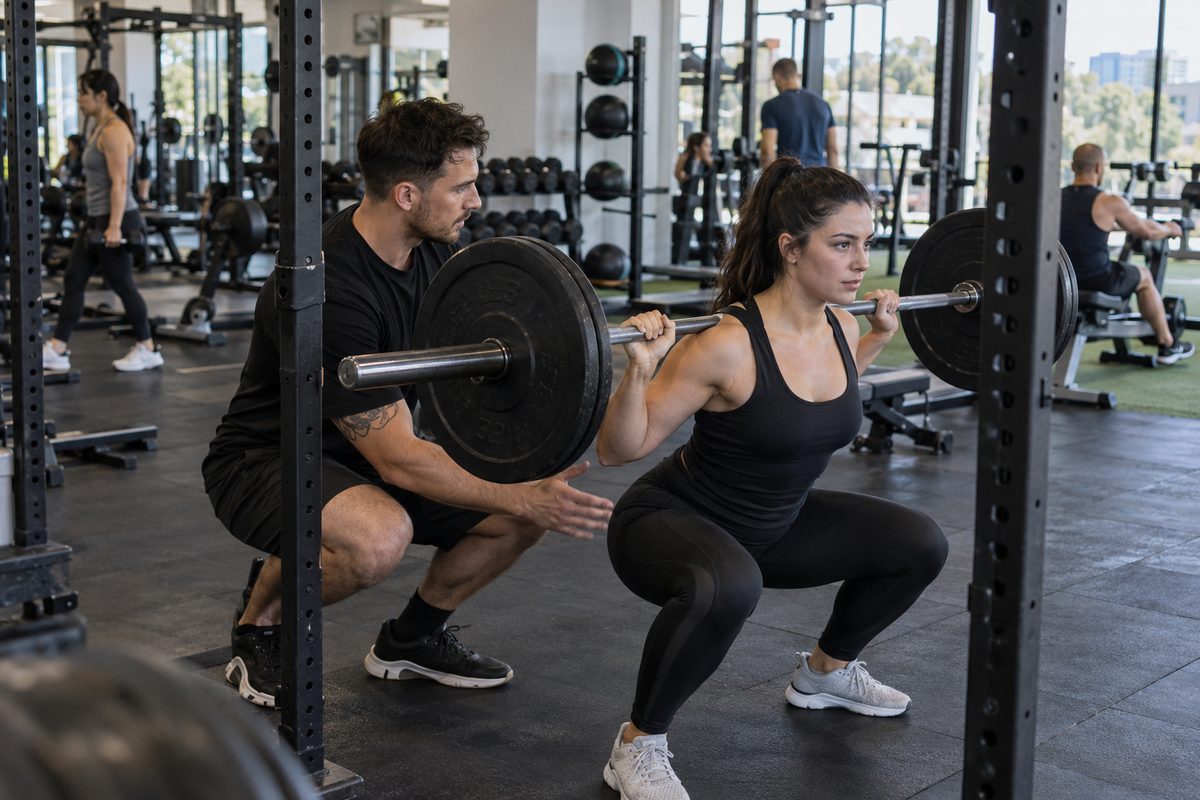
For most people around Maribyrnong, a low-cost 24-hour gym plus a short block of personal training gives the best result for the money. You pay roughly $15 to $25 a week for the gym floor, then buy coaching only for the part you cannot do alone: learning the lifts, building a plan and keeping yourself honest. A pricier club makes sense only if you will use its extras every week.
This guide compares the main options in Maribyrnong, Victoria and around the Highpoint Shopping Centre precinct. It focuses on one decision: which membership style suits you, and where a coach earns their fee. Prices below are typical ranges, so confirm the current rate with each club before you sign.
What Kinds of Gyms Can You Join Near Maribyrnong?
You have four types of gym within a short drive. Each one sells something different.
- 24-hour low-cost clubs. Anytime Fitness, Snap Fitness and Plus Fitness sit here. You get equipment, a swipe card and long hours. Staff presence is thin.
- Big-box clubs. Fitness First and similar brands add group classes, pools or saunas, and a larger floor. You pay more for the space and the timetable.
- Council and community centres. These offer pools and casual entry. Equipment is often basic.
- Boutique and small studios. These sell coaching, not machines. Sessions are small-group or one-on-one.
The Inner West of Melbourne has all four types, so you are never short of choice. The real question is which type matches how you actually behave, not how you hope to behave in January.
How Do the Low-Cost 24-Hour Gyms Compare?
Anytime Fitness, Snap Fitness and Plus Fitness look almost identical on a price sheet. Expect about $15 to $25 a week, a joining fee that is sometimes waived in promotions, and the option of a 12-month term or a rolling plan.
The differences show up in small places.
- Anytime Fitness usually offers access to its clubs across the country and overseas. That helps if you travel for work.
- Snap Fitness clubs tend to be compact, with a good spread of free weights for the size.
- Plus Fitness often prices at the lower end and runs frequent sign-up deals.
Each franchise is owned locally, so the club you visit can differ from the brand's reputation. I tell clients to walk in at the hour they plan to train. A gym that feels roomy at 11 am can feel crammed at 6 pm. One of my clients signed up on a quiet Saturday tour, then found every rack taken at 5:30 on weekdays. She switched clubs within two months and lost her joining fee.
What Does a Big-Box Club Like Fitness First Add?
Fitness First costs more, commonly $25 to $40 a week depending on the club and the inclusions. For that, you get a larger floor, staffed hours, group classes and recovery facilities where they are offered.
That price pays off in one situation: you love classes and will attend three or four a week. Then the timetable does the motivating for you. If you mostly lift weights alone on a quiet floor, you are paying for features you walk past.
Check three details before you commit. Ask which facilities your tier includes. Ask what the cancellation process looks like. Ask whether peak-hour limits apply. Features listed on a brochure do not always come with the cheaper plan.
Why Do Gyms Make It So Hard to Cancel?
Most gyms run on a subscription business model. The club earns steady monthly income, and it earns the most from members who stop coming but keep paying. That is not a conspiracy. It is how the maths works. A club can afford a low weekly price because a share of members never use the place.
This changes how you should shop. Look at the contract, not the weekly figure.
- Find the minimum term and the exit fee.
- Find the notice period for cancelling.
- Find out whether the price rises after the first year.
- Find out whether you can pause for travel or injury.
In my experience, a rolling plan that costs $4 more per week is cheaper than a 12-month term you quit in month four. I know this because one of my clients paid out the rest of a contract on a gym he used six times.
What Does a Gym Membership Not Give You?
Every membership sells access. None of them sells a result. The gym hands you a floor full of equipment and expects you to know what to do with it.
Here is what most people miss. The membership fee is rarely the reason they fail. The reason is that nobody told them what to do on day one, day ten or day forty. They drift between machines, repeat the same three exercises and quit when the scale does not move.
Staff at 24-hour clubs often cannot help, because nobody is rostered at your training time. Even at staffed clubs, an induction covers how to adjust a seat, not how to build a programme.
Where Does a Personal Trainer Fit In?
A personal trainer fills exactly that gap. They give you a plan, teach the movements and adjust the plan when your body responds or does not. The gym is the venue. The coach is the system.
You can use a coach in three common ways.
- A starter block. Four to eight sessions to learn technique and get a written plan. Then you train on your own at a cheap club.
- Ongoing weekly sessions. One or two sessions a week for people who need accountability and progression.
- Check-ins. One session a fortnight or month to review the plan and fix form.
Independent trainers in the area commonly charge about $70 to $110 per session, though rates vary with experience and session length. For a full cost breakdown, see our guide to personal training in Maribyrnong. The point here is how that fee combines with a membership.
How Does Strength Training Change the Gym Choice?
Strength training needs three things: squat racks or a power rack, a free-weight area and enough dumbbell range. Many compact clubs have a single rack. If two people want it at once, you wait.
That is why the gym tour matters more than the logo. Look at the rack count, the barbell and plate supply, and whether the dumbbells go heavy enough for you in six months, not just today.
Beginners underestimate how fast they progress. When I started a client on goblet squats with a 12 kg dumbbell, she was using 20 kg in eight weeks. A club whose dumbbells stopped at 20 kg would have capped her by month three.
Strength work also serves physical fitness in general. It supports bone density, joint stability and everyday tasks like carrying shopping or lifting kids. You do not need to want big muscles to benefit.
What About Weight Loss Goals?
For weight loss, the gym matters less than people think. Food intake drives most of the change. Training helps you keep muscle, burn extra energy and feel better, but you cannot out-train a poor diet.
Here is what works in practice. Lift weights two or three days a week. Walk daily. Keep protein steady. Track your food honestly for a few weeks until you learn what a normal portion looks like.
This happened to my client who joined a pricey club for the pool and classes. She went three times a week and lost nothing, because she snacked after each visit. When we moved her to a cheaper gym and spent the saving on a coach who reviewed her eating, she dropped 6 kg in three months.
So if weight loss is your goal, spend on guidance, not facilities.
Is Highpoint Worth Considering for Your Gym?
The Highpoint Shopping Centre area is a practical pick if you combine training with errands. You can train, then shop, then drive home, and the trip does not cost extra time. That convenience is real. People who fold the gym into an existing routine attend more often.
Maribyrnong itself suits you if you live or work closer to the river end. A gym five minutes from your door beats a better gym fifteen minutes away. Distance is the quiet killer of habits. Anything over ten minutes starts to feel like effort.
Pick the location that sits on a route you already travel. Then compare prices between the options on that route.
What Does a Realistic Monthly Setup Cost?
Here are three sample setups for the area. Each one assumes a typical rate.
- Budget route. A low-cost 24-hour gym at about $70 to $100 a month, with no coaching. This works if you already know how to train.
- Smart route. A low-cost gym plus a six-session starter block with a coach, spread over six weeks. Total in the first two months lands around $600 to $800, then drops back to the gym fee once you train solo.
- Full-service route. A big-box club at $110 to $170 a month plus weekly coaching. Expect a monthly bill north of $400.
The smart route wins for most people. You pay for knowledge once, then reuse it for years. The full-service route is right only if you value the extras or need weekly accountability.
Should You Train at a Gym or With a Trainer in a Private Studio?
Some trainers work from private studios, so you do not need a gym membership at all. You pay more per session, often at the higher end of the range, but you skip the monthly fee and the crowds. For someone who trains with a coach twice a week and never uses the gym alone, this can come out even or cheaper.
The catch is the days between sessions. Studio-only clients often have no place to train on their own. If you want three sessions a week with one led by a coach, a cheap membership fills the other days.
How Do You Choose Without Overthinking It?
Use this short filter. It takes about ten minutes.
- Pick your goal. Strength, weight loss or general health each point to different needs.
- Pick your location. Choose within ten minutes of your home or your route to work.
- Visit at your training time. See the crowd and count the racks.
- Read the contract. Look for term, exit fee and price rises.
- Decide on coaching. If you are new or stuck, add a starter block.
Most people spend weeks comparing logos and minutes on the one thing that predicts success: whether they will turn up. Make turning up easy and everything else improves.
What Should You Do Next?
Take action this week. Visit two gyms on your route at the hour you plan to train. Ask each for the cheapest rolling plan and read the cancellation terms. Then book a first session with a coach so your first month has a plan, not guesswork. Start with the cheaper club and a short coaching block, and upgrade only when you know exactly what you are missing.